
Psilocybin Mushrooms
What Do Psilocybin Mushrooms Look Like? A Safe Visual Guide for Curious Readers
Jun
If you are asking, “What do psilocybin mushrooms look like?”, you are probably trying to understand the visual difference between ordinary mushrooms and mushrooms often called “magic mushrooms.”
The simple answer is this:
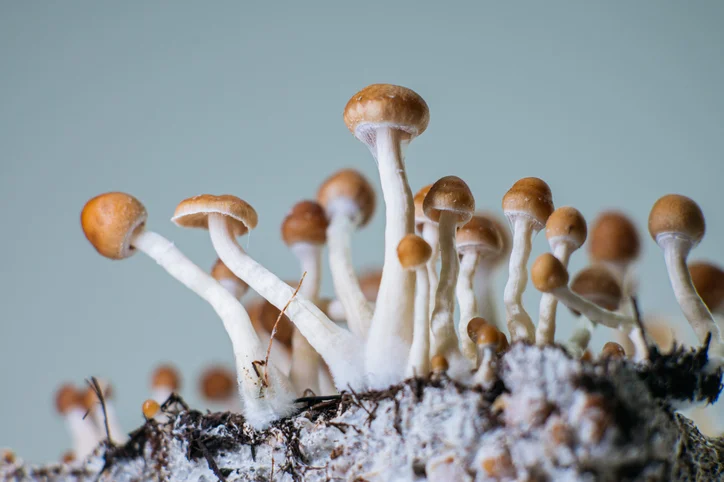
Psilocybin mushrooms can look small, brown, golden, tan, white, or even slightly blue in some areas. They often have thin stems, rounded caps, and dark gills under the cap. But here is the most important part.
You cannot safely identify psilocybin mushrooms by appearance alone.
Many wild mushrooms look similar. Some are harmless. Some can cause serious poisoning. Some can even be deadly. That is why this guide is for education only. It is not a foraging guide, not a buying guide, and not a medical recommendation.
At Organic Shroom Capsules, we believe education matters. People should understand mushrooms with care, curiosity, and safety in mind. Whether you are learning about functional mushrooms, wellness supplements, or the wider mushroom world, clear information helps you make better decisions.
Why Psilocybin Mushrooms Are Hard to Identify
Psilocybin mushrooms are not one single mushroom type.
There are many mushroom species that may contain psilocybin or related compounds. Because of that, they do not all look exactly the same.
Some have golden caps. Some look brown. Some are small and delicate. Some appear thicker. Some dried mushrooms look completely different from fresh mushrooms. Once dried, their color, shape, texture, and size can change a lot.
This is why photos online can be confusing. One picture may show a fresh mushroom with a light brown cap. Another may show dried stems and caps that look darker, wrinkled, or broken. Both may be labeled as psilocybin mushrooms, but that does not mean a random mushroom with a similar look is safe or correctly identified.
Mushroom identification is a great skill. It often requires more than looking at color and shape. For safety, visual guesswork is never enough.
Common Visual Features People Associate With Psilocybin Mushrooms
Many people describe psilocybin mushrooms as having a few common visual traits. These features may appear in some types, but they are not guaranteed.
Common features may include:
- Small to medium size
- Thin or slender stems
- Rounded, bell-shaped, or flat caps
- Tan, golden, caramel, brown, or off-white coloring
- Dark gills under the cap
- A dried, wrinkled look when sold or stored dry
- Blue or bluish-green bruising on some parts
These traits are often mentioned in mushroom discussions, but they should never be used as proof.
A mushroom that bruises blue is not automatically safe. A mushroom that has a brown cap is not automatically psilocybin. A mushroom that looks like one you saw online may still be something else.
The safest mindset is simple:
If you are not trained, do not identify or consume wild mushrooms.
Fresh Psilocybin Mushrooms vs. Dried Psilocybin Mushrooms
Fresh and dried mushrooms can look very different.
Fresh mushrooms usually have more shape, moisture, and color. Their caps may look smoother. Their stems may appear thicker or more flexible. Some may show a light golden or tan cap with a pale stem.
Dried mushrooms often look smaller, darker, and more fragile. The caps may curl. The stems may twist or shrink. The color may turn beige, brown, grayish, or off-white. Dried pieces may also break apart, making visual identification even harder.
This matters because many people search online after seeing dried mushrooms. But dried mushrooms are harder to judge by appearance. Important visual details can be lost during drying.
If someone shows you dried mushrooms and says they are psilocybin, appearance alone cannot confirm that claim.
What Is Blue Bruising?
One visual sign often connected with psilocybin mushrooms is blue bruising.
Blue bruising means parts of the mushroom may turn blue or blue-green after being handled, pressed, damaged, or dried. People often notice this on the stem or around broken areas.
However, blue bruising is not a perfect test.
Some mushrooms may bruise blue for different reasons. Some psilocybin-containing mushrooms may not show clear bruising. Lighting, age, drying, and handling can all affect what you see.
So yes, blue bruising is one feature people talk about. But no, it should not be treated as proof.
A safe article about mushroom appearance must repeat this clearly:
Never rely on blue bruising alone to identify mushrooms.
Why Look-Alike Mushrooms Are a Serious Risk
One of the biggest dangers with wild mushrooms is look-alikes.
A look-alike mushroom is a mushroom that appears similar to another mushroom but may have very different effects. This is a real safety issue because some toxic mushrooms can resemble edible or psychoactive mushrooms to an untrained eye.
Many people believe they can compare a mushroom to a photo and make a safe decision. That is not true.
Photos do not show everything. They may not show scale, gill structure, texture, age, environment, or hidden features. Even experts use careful methods and experience. A beginner using a phone image may miss important warning signs.
This is why mushroom poisoning still happens.
If there is one message to take from this article, it is this:
A mushroom that “looks right” can still be dangerous.
Do Psilocybin Mushrooms Always Look Like “Magic Mushrooms” Online?
No.
Online photos often show the most recognizable examples. They may be staged, edited, or taken under perfect lighting. Real mushrooms can look messy, broken, dry, dark, pale, or very ordinary.
This creates a problem.
People expect psilocybin mushrooms to have one clear “magic mushroom” look. In reality, many mushrooms look plain. Some look like common lawn mushrooms. Some look like small brown mushrooms that are difficult to separate from other species.
This is why the phrase “little brown mushrooms” is often used carefully in mushroom communities. Many small brown mushrooms look alike, and some are not safe.
So when someone asks, “What do psilocybin mushrooms look like?” the honest answer is:
They can have common patterns, but they do not have one safe, universal look.
What Do Dried Psilocybin Mushrooms Usually Look Like?
Dried mushrooms may appear as loose caps and stems. They may look beige, tan, brown, grayish, or slightly blue in places. Their texture may be brittle, wrinkled, and light.
Some dried mushrooms look like curled plant material. Others still show a cap-and-stem shape. Some are broken into small pieces.
But the dried form creates even more uncertainty.
Once mushrooms are dried, it becomes harder to see their natural shape, fresh color, and other visual clues. That means dried mushrooms should not be identified by appearance alone either.
This is especially important for people who see mushrooms in packaging, capsules, chocolates, or blended products. If the mushroom is powdered, mixed, or processed, visual identification is no longer possible for an average person.
In those cases, safety depends on legal sourcing, testing, labeling, and professional standards, not personal visual judgment.
What About Mushroom Capsules and Mushroom Products?
Capsules do not look like mushrooms.
Once a mushroom is turned into powder and placed inside a capsule, you cannot identify the mushroom by sight. The same is true for mushroom chocolates, gummies, extracts, and blended products.
This is why product quality matters.
For wellness-focused mushroom products, customers should look for clear labeling, responsible sourcing, ingredient transparency, and quality standards. Organic Shroom Capsules focuses on mushroom education, wellness routines, and clean product presentation for people who value natural support.
Still, readers should understand an important difference:
Functional mushroom supplements and psilocybin-containing products are not the same thing. Functional mushrooms like Lion’s Mane, Reishi, Cordyceps, and Chaga are commonly discussed in wellness routines. Psilocybin mushrooms are controlled or restricted in many places and may carry legal and health risks.
Always check your local law before considering any mushroom product.
Are Psilocybin Mushrooms Legal?
Psilocybin laws vary by country, state, province, and city.
In many places, psilocybin is restricted or illegal outside approved research or regulated settings. Some areas have changed enforcement rules. Some have medical or therapeutic programs. Others still treat possession, sale, or use as a criminal offense.
Because laws change, you should not rely on a blog post, social media post, or online store page for legal advice.
Before making any decision, check the current local law and speak with a qualified professional if needed.
Safety First: Do Not Self-Identify Wild Mushrooms
This article is not meant to help anyone pick mushrooms from the wild.
Wild mushroom identification can be risky. Even experienced people can be careful because small mistakes matter. If a mushroom is misidentified, the result may be stomach illness, confusion, liver damage, emergency care, or worse.
If you or someone else may have eaten an unknown mushroom, do not wait for symptoms to become severe. Contact Poison Control, emergency services, or a medical professional right away.
Also, never drive, operate machinery, or make risky decisions after consuming any psychoactive substance. People can react differently depending on health history, mental state, environment, medication use, and other substances.
Why People Search for Psilocybin Mushroom Appearance
Some are curious. Some saw a mushroom and want to know what it is. Some are reading about psychedelic research. Some are trying to understand product labels. Others want to avoid unsafe look-alikes.
Mushrooms are fascinating. They are part of nature, food culture, wellness routines, traditional practices, and modern research conversations. But curiosity should come with caution.
The safest way to learn is through trusted education, legal information, and professional guidance.
Quick Answer: What Do Psilocybin Mushrooms Look Like?
Psilocybin mushrooms may look like small to medium mushrooms with tan, golden, brown, or pale caps, thin stems, darker gills, and sometimes blue bruising. When dried, they may appear wrinkled, curled, beige, brown, grayish, or slightly blue.
But appearance is not enough to identify them safely.
Many mushrooms look similar. Some are poisonous. Some processed products cannot be visually verified at all.
So the best short answer is:
Final Thoughts
So, what do psilocybin mushrooms look like?
They may look small, tan, brown, golden, pale, or dried and wrinkled. Some may show blue bruising. Some may have thin stems and rounded caps. But none of these signs can confirm safety or identity by themselves.
A responsible approach is always better.
Do not trust appearance alone. Do not use online photos as proof. Do not forage or consume wild mushrooms unless they have been identified by a qualified expert in a legal and safe context.
At Organic Shroom Capsules, mushroom education is part of a wider wellness conversation. The more people understand mushrooms, the better choices they can make. Nature can be powerful, but it should always be approached with respect, care, and safety.
What do psilocybin mushrooms usually look like?
They may have tan, brown, golden, or pale caps, thin stems, dark gills, and sometimes blue bruising. But appearance varies, and visual traits are not enough for safe identification.
Can I identify psilocybin mushrooms by blue bruising?
No. Blue bruising may appear in some mushrooms, but it is not a reliable proof. Never use blue bruising alone to identify or consume mushrooms.
Do dried psilocybin mushrooms look different from fresh ones?
Yes. Dried mushrooms often look smaller, darker, wrinkled, curled, and more fragile. Drying can remove or change important visual details.
Are psilocybin mushroom capsules easy to identify?
No. Capsules contain powder, so you cannot identify the mushroom by sight. Product safety depends on labeling, sourcing, testing, and legal standards.
Are psilocybin mushrooms legal?
Laws vary by location. In many places, psilocybin is restricted or illegal outside approved research or regulated programs. Always check your local law.
Is it safe to pick wild mushrooms if they look like the photos online?
No. Online photos are not enough for safe mushroom identification. Many poisonous mushrooms look similar to non-poisonous or psychoactive mushrooms.
What should I do if someone eats an unknown mushroom?
Contact Poison Control, emergency services, or a medical professional right away. Do not wait for serious symptoms.
